Login

Atlantic Canada’s Green Potential: Jobs and Skills Toward Clean Growth

This webinar explored the growing green job potential in Atlantic Canada, highlighting how the region’s transition toward a low-carbon and sustainable blue economy is shaping industries, skills, and workforce opportunities.

Regular Price:
Free
Course Length:
Career Stage:
All Career Stages
SBEP PD Credits:
3
Not yet a SBEP Member?

Get Started

Regular Price:
Free
Course Length:
Career Stage:
All Career Stages

Not yet an EP Member?

Click here to learn more!

Expert: Claudine Vidallo
Vice President of Projects - ECO Canada

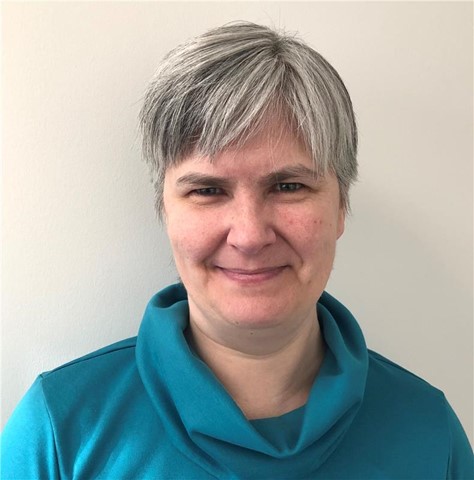
Claudine Vidallo is a strategic planner and program manager-initiating, leading, executing and evaluating multi-stakeholder, and multi-phased projects. She is a certified Project Management Professional (PMP) with a Business Management background. In the last 20 years, Claudine has applied her competencies in various industries in the Philippines and Canada including food and beverage manufacturing, energy, post-secondary and training institutions, and not-for-profit organizations and is currently the Vice President of Projects at ECO Canada. Claudine’s other full-time job is being a mother of five boys, including twin stepsons. She was also very active in sports and fitness in her past life and has a 1st degree blackbelt in Taekwondo.
Expert: Geni Peters
Director of Research - ECO Canada

Geni Peters is an economist with a Ph.D. in Economics from Texas A&M University. As Director of Research at ECO Canada, she is responsible for the management, execution and delivery of environmental labour market information and national occupational standards projects, working with an army of professionals comprised of staff, consultants, strategic advisors and subject matter experts. Before joining ECO Canada, Geni applied her knowledge and skills in a wide range of roles and industries. She worked as a lecturer for 14 years, teaching a wide range of economics courses and supervising student research projects at UC San Diego and Penn State University. More recently, she managed labour market research initiatives including economic modelling and reporting at PetroLMI Division of Energy Safety Canada (formerly the Petroleum Human Resources Council) and conducted economic research and analysis at Brown Economic Consulting.

What the Session Covers:

  • Given the current economic structure of Atlantic Canada, what green jobs exist in the region?

  • How do clean growth opportunities influence the “greening” of key industries, organizations, and workers within the region?

  • What are the critical, growing, and emerging green jobs and skills within key sectors such as natural resources, marine, alternative energy, manufacturing, waste management, and other green businesses?

  • What talent initiatives could benefit the entire region while avoiding duplication of resources and efforts?

Reconnaissance des terres

Dans un esprit de respect, de réciprocité et de vérité, nous honorons et reconnaissons Moh’kinsstis, le territoire traditionnel du Traité 7 et les pratiques orales de la confédération des Pieds-Noirs : Siksika, Kainai, Piikani, ainsi que les nations Îyâxe Nakoda et Tsuut’ina. Nous reconnaissons que ce territoire abrite la Nation métisse de l’Alberta, la région 3 au sein de la patrie historique des Métis du Nord-Ouest. Enfin, nous reconnaissons toutes les nations qui vivent, travaillent et se divertissent sur ce territoire, et qui l’honorent et le célèbrent.

Land Acknowledgment

In the spirit of respect, reciprocity and truth, we honour and acknowledge Moh’kinsstis and the traditional Treaty 7 territory and oral practices of the Blackfoot confederacy: Siksika, Kainai, Piikani, as well as the Îyâxe Nakoda and Tsuut’ina nations. We acknowledge that this territory is home to the Métis Nation of Alberta, Region 3, within the historical Northwest Métis homeland. Finally, we recognize all Nations who live, work and play on this land and honour and celebrate this territory.